Ui Ux Work Guide: Mastering Design Success in 2026
Master ui ux work in 2026 with this expert guide covering trends, essential skills, workflow tips, portfolio strategies, and career growth for design success
The world of UI/UX work is changing fast. Designers and teams are expected to keep up with new technologies and rising expectations in 2026.
This guide is your roadmap for mastering UI/UX work and achieving design success. We will explore emerging trends, essential skills, workflow optimization, portfolio strategies, collaboration, and how to future-proof your career.
Discover what sets top designers apart, learn proven methods to improve your process, and get actionable tips to reach your goals. Now is the time to elevate your UI/UX work and drive product success.
The State of UI/UX Design in 2026
UI/UX work in 2026 is evolving at lightning speed, presenting both exciting opportunities and new challenges for designers. As technology advances, the expectations for design excellence and measurable results have never been higher. Let’s dive into the current landscape shaping ui ux work and what it means for your career.
Key Industry Trends Shaping UI/UX
The landscape of ui ux work is being transformed by several powerful trends. AI-driven design tools are now essential, automating tasks like wireframing and content generation. Hyper-personalization is the norm, with adaptive interfaces tailoring experiences to each user. Accessibility and inclusive design have become non-negotiable, while data-driven decisions drive every stage of the process.
Emerging tech like voice, AR/VR, and multimodal experiences are reshaping how users interact with products. The rise of remote-first, distributed teams has changed collaboration forever. A pivotal moment was the 2025 launch of Figma Sites, which revolutionized how designers showcase their work online. For a deeper look at the latest industry shifts, check out Top UI/UX Design Trends in 2026.
Evolving Expectations for Designers
In 2026, ui ux work demands a hybrid skillset. Employers now look for designers who can blend UX research, polished UI craft, and business understanding. Measuring the impact of design is critical—companies want to see how your work drives ROI.
Designers are expected to think end-to-end, considering every touchpoint from landing page to in-product experience. Understanding product-market fit and optimizing for conversion rates are now core parts of ui ux work. Those who can bridge design with business strategy are positioned for success.
Common Challenges and Opportunities
The job market for ui ux work is crowded, with applicant tracking systems (ATS) and AI filtering most applications before they reach a human. Standing out requires a clear, unique value proposition and a portfolio that tells your story.
Rapid advances in tools and methodologies can feel overwhelming. However, this pace also creates space for specialization. Focusing on niches like SaaS, B2B, or accessibility in ui ux work opens doors in industries hungry for expertise.
Relevant Data and Insights
Recent data reveals that over 80 percent of design applications for ui ux work are filtered by ATS or AI before review. Ninety percent of hiring managers prioritize portfolios that showcase process, not just visuals. Fortune 500 companies increasingly value designers who can clearly quantify the business impact of their ui ux work.
This shift means designers must document their process, highlight outcomes, and present clear case studies. A data-driven approach is no longer optional—it’s central to landing top roles.
Example: Designer Job Search in 2025
Consider a designer navigating the 2025 job market. By focusing on a complete overhaul of their portfolio and prioritizing transparency in their ui ux work process, they received multiple offers. Instead of relying solely on networking or cold outreach, they showcased detailed case studies and measurable results.
This approach highlights a key lesson: ui ux work that is transparent, process-oriented, and outcome-driven will always stand out. Adapting your strategy to match these expectations is crucial for design success in 2026.
Core Skills for UI/UX Success in 2026
Success in ui ux work in 2026 depends on a blend of technical mastery, soft skills, business sense, and adaptability. As the field evolves, designers must go beyond visuals and develop skills that connect design to real-world impact.
Essential Technical Skills
Technical proficiency is foundational for effective ui ux work. Designers are expected to master tools like Figma, Sketch, Adobe XD, and leverage AI-powered plugins for efficiency. These platforms streamline prototyping, animation, and the creation of micro-interactions, making the design process more dynamic.
A solid grasp of front-end basics, such as HTML, CSS, and JavaScript, bridges the gap between design and development. This knowledge ensures smoother handoffs and better collaboration with engineering teams. Staying current with tool updates is vital, as the pace of change in ui ux work accelerates each year.
For a comprehensive overview of must-have skills and steps to grow as a designer, explore the Essential UI/UX skills explained resource.
Critical Soft Skills
While technical know-how is necessary, soft skills drive collaboration and innovation in ui ux work. Communication stands out as a top priority. Designers must clearly articulate design choices to stakeholders, making complex ideas easy to grasp.
Empathy is equally crucial. Understanding users’ backgrounds and needs leads to more inclusive, impactful solutions. Collaboration skills help designers thrive in cross-functional teams, where feedback and shared goals are key.
Strong presentation abilities
Active listening and openness to critique
Conflict resolution and consensus building
A designer’s ability to balance these qualities often sets them apart in the competitive world of ui ux work.
Business and Strategy Acumen
Modern ui ux work requires more than just creative flair. Designers are increasingly expected to understand the business side of products. This means connecting design decisions to measurable outcomes, like user growth or revenue.
Key areas to focus on include:
Product-market fit analysis
Conversion optimization strategies
Knowledge of SaaS and B2B product cycles
Being able to speak the language of business and justify design investments with data makes designers invaluable partners in any organization. This strategic mindset is essential for anyone aiming to excel in ui ux work.
Research and Data Literacy
In 2026, data-driven ui ux work is the norm. Designers must conduct user interviews, surveys, and usability tests to uncover pain points and opportunities. Interpreting these findings is vital for making informed design choices.
Equally important is the ability to present data-driven case studies in portfolios. Hiring managers seek evidence of process, not just polished visuals. By showcasing research insights and real-world impact, designers demonstrate the full value of their ui ux work.
User research techniques
Analytics interpretation
Case study storytelling
These skills help designers make a measurable difference in every project.
Continuous Learning and Adaptability
The landscape of ui ux work is always shifting. Staying ahead means embracing new tools, methodologies, and trends. Designers should regularly join online courses, attend conferences, and participate in design communities.
Early adopters of platforms like Figma Sites gained a clear edge by showcasing interactive, story-driven portfolios. Adapting quickly to change and seeking feedback ensures sustained growth in ui ux work.
Engage with industry peers
Experiment with new design tools
Invest in lifelong learning
Those who prioritize adaptability are best positioned to thrive in the evolving world of ui ux work.
Building a Future-Proof UI/UX Workflow
The landscape of ui ux work is changing fast. Designers in 2026 face new challenges and opportunities, so building a flexible, future-proof workflow is essential. Let’s break down how to optimize your process, portfolio, and toolkit to stay ahead.
Optimizing Your Design Process
A future-proof ui ux work process is built on iteration, feedback, and transparency. Start with rapid prototyping, using AI design tools to speed up wireframes and mockups. Make feedback loops a core part of your routine, inviting input from peers and stakeholders early and often.
Document every design decision, not just the final screens. This transparency helps you explain your rationale and makes it easier to revisit choices later. For a deeper dive into structuring your workflow, check out this UI/UX design process guide for actionable steps.
Portfolio Development for 2026
Your portfolio is the heart of your ui ux work story. In 2026, static images are out—interactive, story-driven portfolios are in. Focus on case studies that highlight your process, not just the polished end result.
Show measurable impact wherever possible. For example, if you redesigned onboarding and reduced drop-off by 20 percent, make that data front and center. Use interactive elements like prototypes or video walkthroughs to make your portfolio engaging and memorable.
Showcasing Design Process & Impact
To stand out in ui ux work, showcase how you think, not just what you make. Include everything from early sketches and research notes to usability test results and final metrics. This approach demonstrates your end-to-end process and your ability to learn from both successes and failures.
Present your work as a journey. Show iterations, explain the problems you faced, and reflect on what you learned. Use visuals, annotations, and brief summaries to keep it digestible for viewers.
Applying Consistently and Strategically
In ui ux work, quality always beats quantity. Instead of mass-applying, choose roles that match your strengths and interests. Tailor your portfolio and resume for each opportunity, focusing on relevant case studies and skills.
Use ATS-friendly formats to ensure your application gets seen by both AI and human reviewers. Set realistic goals for applications each week to avoid burnout and keep your efforts targeted and effective.
Preparing for Interviews and Presentations
Interview prep is a crucial part of ui ux work. Start with a 30 to 45 second intro that’s tailored for each company. Be ready to discuss your specific projects, outlining the challenges, your process, and the results you achieved.
Practice storytelling to communicate your unique approach. Use real examples to highlight how you solve problems, collaborate, and drive impact. Keep your answers concise, focusing on what sets you apart from other candidates.
Tools and Platforms to Master
The right tools are at the core of effective ui ux work. In 2026, designers should be fluent in:
Tool | Purpose | Why It Matters |
|---|---|---|
Figma (Sites) | Design, prototyping, portfolio | Industry standard, interactive sites |
Notion | Documentation, workflow | Centralizes design process |
Miro | Brainstorming, mapping | Supports remote collaboration |
AI Plugins | Automation, rapid ideation | Speeds up repetitive tasks |
Mixpanel, GA | Analytics, user insights | Data-driven design decisions |
Slack, Zoom | Team communication | Supports distributed teams |
Mastering these platforms ensures your ui ux work is efficient, collaborative, and ready for any challenge in 2026.
Collaboration & Communication in Modern Design Teams
Collaboration is the backbone of modern ui ux work. As teams become more distributed and cross-functional, designers must master communication and teamwork to drive results. Let’s explore practical strategies for thriving in today’s remote-first design landscape.
Working in Distributed and Cross-Functional Teams
Remote ui ux work is now the norm, with teams spread across cities or even continents. Success hinges on clear expectations, transparent communication, and trust.
Set up regular check-ins and async updates to keep everyone aligned.
Establish clear documentation for design decisions and feedback.
Use collaborative tools like Figma, Miro, and Notion to streamline workflows.
For a detailed look at the latest platforms, check out this collaborative design tools overview. Consistent habits and the right tools help teams overcome distance and time zone barriers in ui ux work.
Effective Handoffs to Developers
Smooth handoffs are critical for translating ui ux work into functional products. Developers rely on clear, actionable deliverables.
Provide annotated mockups and design specs.
Maintain up-to-date component libraries and design systems.
Use tools that bridge design and code, such as Figma’s Dev Mode.
Document your process and rationale so developers understand the “why” behind design choices. This reduces miscommunication and helps ensure the final product matches your ui ux work vision.
Stakeholder Management and Alignment
Great ui ux work isn’t just about visuals. It’s about aligning with business goals and user needs.
Present design decisions using data and user insights.
Translate technical jargon for non-design stakeholders.
Actively seek feedback and clarify priorities.
Balancing different perspectives can be challenging. Approach each conversation as a partnership, not a debate. This mindset helps your ui ux work drive both user satisfaction and business value.
Measuring and Communicating Design Value
To prove the impact of ui ux work, you need to measure outcomes and tell compelling stories.
Track key metrics like conversion rates, retention, and engagement.
Share before-and-after case studies with quantifiable results.
Celebrate both wins and lessons learned to foster a culture of growth.
For example, a small change in onboarding flow might increase activation rates by 15%. Highlighting these results shows how ui ux work contributes directly to business growth.
How Grauberg Accelerates Design Success for SaaS Startups
Grauberg specializes in elevating ui ux work for SaaS startups, guiding teams from landing page to product experience. Their senior designers deliver audits, full redesigns, and ongoing partnerships that focus on measurable outcomes.
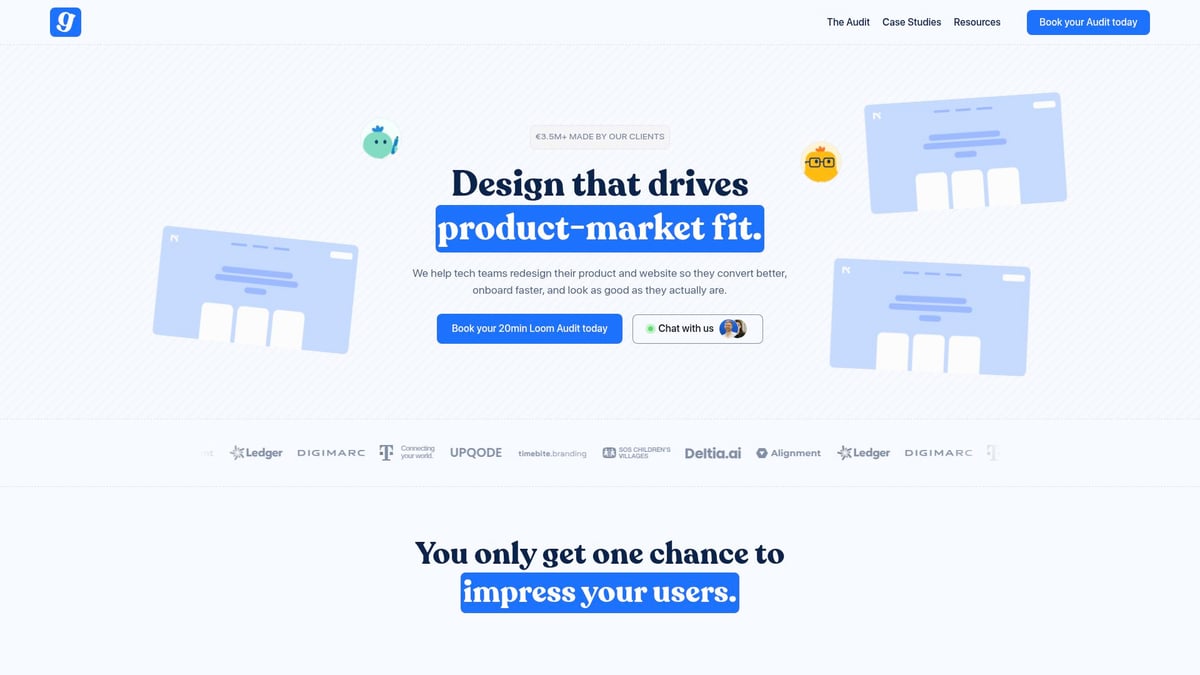
By emphasizing process transparency and business impact, Grauberg helps tech teams achieve product-market fit, boost conversion rates, and speed up launches. If you want your ui ux work to drive real results, partnering with experts like Grauberg can make all the difference.
Modern ui ux work is collaborative, data-driven, and business-focused. By mastering these communication and teamwork strategies, you’ll empower your design career and deliver products that stand out in 2026.
Future-Proofing Your UI/UX Career
Future-proofing your ui ux work means staying agile, informed, and ready for whatever the industry brings next. To thrive in 2026 and beyond, designers need to adapt quickly, build their own brand, and keep learning. Let’s break down the steps to ensure your ui ux work remains in demand as technology and business needs evolve.
Adapting to Emerging Technologies
The ui ux work landscape is shifting fast. Designers must embrace innovation and experiment with new tools and platforms. AI-driven design, AR/VR, and voice interfaces are now part of the standard toolkit. Upskilling in these areas is crucial for staying competitive.
Explore AI-powered prototyping and user testing.
Learn the basics of AR/VR design for immersive experiences.
Understand voice UI principles and accessibility.
For a deeper dive into what’s ahead, check out these Future of UX design insights. Staying curious and proactive is the best way to future-proof your ui ux work.
Building a Personal Brand in a Crowded Market
With more designers entering the field, your ui ux work needs to stand out. Building a personal brand helps you become memorable to recruiters and clients. Share your journey, insights, and process breakdowns on platforms like LinkedIn or Medium.
Post project case studies and design tips regularly.
Engage in online discussions and offer thoughtful feedback.
Speak at events or webinars to boost your profile.
Designers who are visible and authentic attract more opportunities. Consistency and storytelling will set your ui ux work apart in a crowded market.
Networking and Community Engagement
Community is at the heart of successful ui ux work. By connecting with peers, you learn faster and discover new opportunities. Join online forums, design communities, and local meetups to expand your network.
Participate in design challenges or hackathons.
Collaborate on open-source or side projects.
Balance online and offline engagement for genuine relationships.
Networking is not just about job hunting. It is about sharing knowledge, finding mentors, and gaining support throughout your ui ux work journey.
Navigating the Job Market of 2026
The job market for ui ux work is more competitive than ever. Applicant tracking systems (ATS) and AI filters screen most applications before a human sees them. Tailoring your portfolio and resume for each role increases your chances.
Strategy | Impact |
|---|---|
Tailored portfolios | Higher recruiter engagement |
Impactful case studies | Demonstrates real-world results |
Avoiding mass applies | Prevents generic, overlooked apps |
Focus on quality, not quantity. Use clear, ATS-friendly formats and highlight measurable results from your ui ux work. This approach helps you rise above the noise.
Lifelong Learning and Career Growth
Continuous learning is essential for sustainable ui ux work success. Invest in courses, certifications, and mentorship to stay ahead. Set long-term goals and measure your growth along the way.
Take part in workshops and online classes.
Seek regular feedback from peers and mentors.
Reflect on your achievements and update your goals.
The most successful designers are those who treat ui ux work as an evolving craft. Embrace change, stay curious, and your career will remain resilient.
If you're ready to put these UI UX strategies into action and see real results for your B2B startup, why not take the next step? We’ve talked a lot about connecting your landing page to your product and designing with the whole user journey in mind—now’s your chance to get actionable insights tailored to your business. I recommend you Book a free Product Website Audit with the Grauberg team. It’s a friendly, no pressure way to spot opportunities, boost conversion rates, and get your product closer to true market fit.